Cherry Hill mold prevention treatment specialists
Limit mold risk after a water loss
Get wet materials inspected within 24-48 hours before humidity gives mold a head start.
Cherry Hill mold prevention treatment specialists
Get wet materials inspected within 24-48 hours before humidity gives mold a head start.
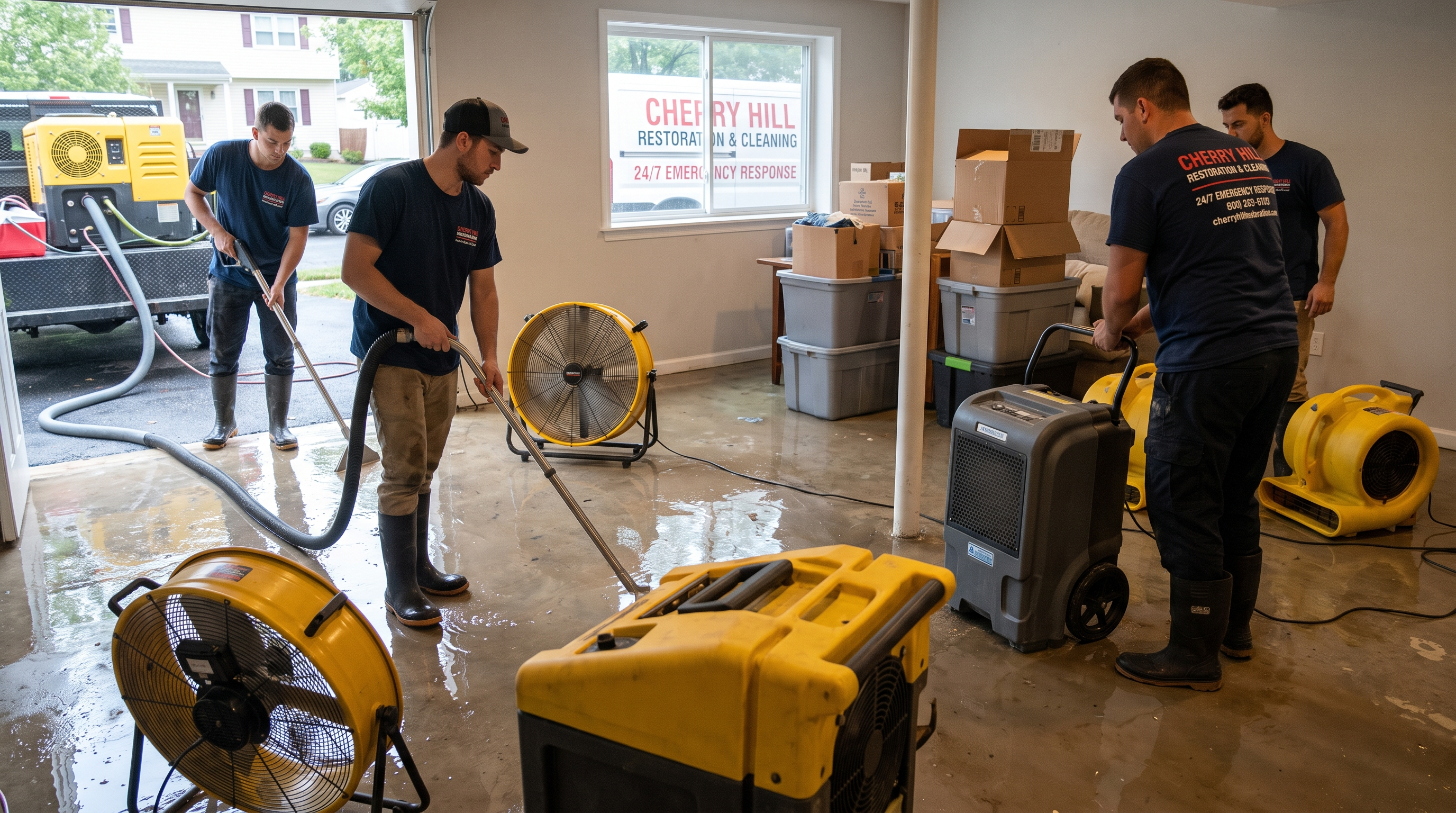
Mold prevention is not a spray-and-leave service. After water damage in Cherry Hill, contractors first need to remove standing water, expose trapped moisture, and dry the structure. Antimicrobial treatment works best when it supports a real drying plan.
New Jersey humidity changes the timeline. Warm summer air, closed basements, wet drywall, and damp carpet pad can create mold risk within 24-48 hours. Homes with block foundations or finished basement walls may hold moisture at the bottom plate and insulation even after the floor feels dry.
The contractor should separate prevention from remediation. If visible mold already exists, New Jersey's mold rules may require a different scope, containment, personal protective equipment, disposal practices, and post work documentation. If the water loss is fresh, prevention focuses on drying and surface treatment before growth establishes.
Insurance can treat mold as a separate line item or apply policy sublimits. Photos, moisture readings, and timing notes help show whether the work addressed a recent covered water event or a preexisting condition.
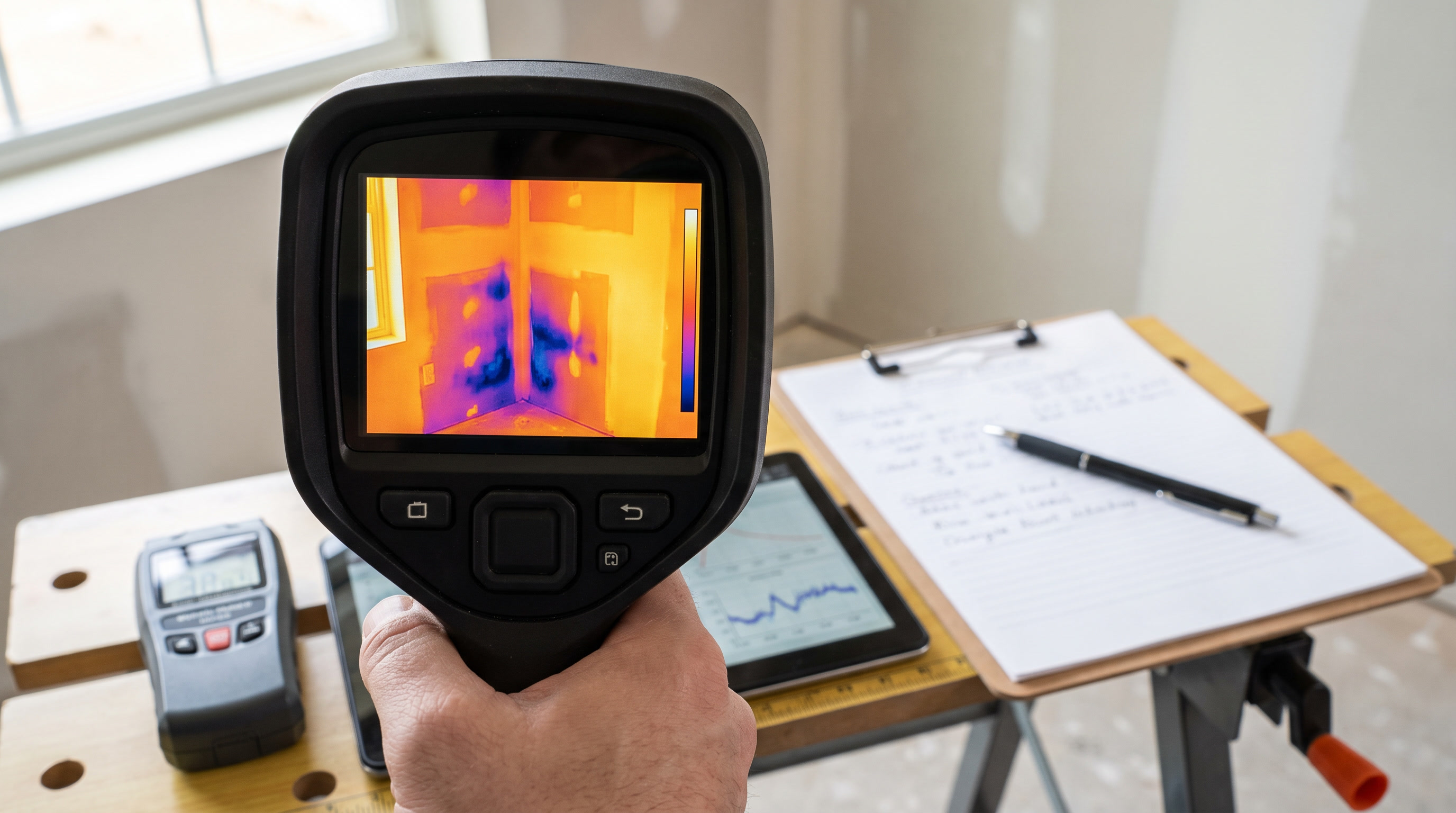
Mold prevention treatment addresses moisture, surface conditions, and documentation before a damp area becomes a larger remediation project.
The contractor confirms the leak, pump failure, or water entry has stopped. Mold prevention will not hold if groundwater, plumbing, or humidity keeps feeding the same materials.
Wet drywall, insulation, carpet pad, and porous items are checked for drying potential. Materials that stay wet too long may need removal instead of surface treatment.
Affected surfaces may receive antimicrobial treatment after cleaning and drying steps. The contractor documents where treatment was applied and why.
New Jersey has rules around mold remediation work. The contractor conversation should identify whether the job is prevention after a fresh water loss or a regulated mold remediation scope.
Cherry Hill basements can stay damp after storms, especially in summer. Drying, dehumidification, and moisture checks matter more than a quick deodorizing treatment.
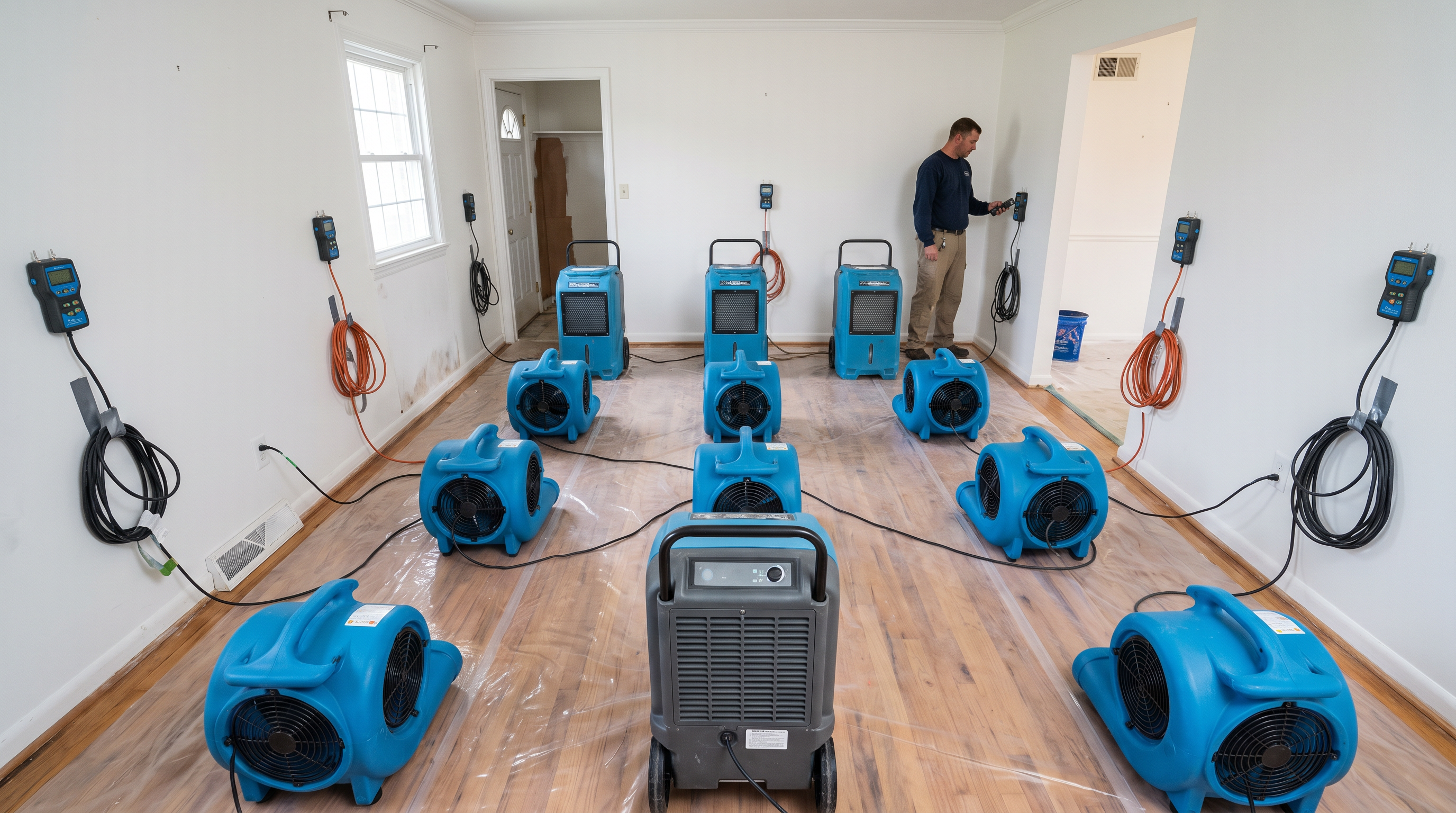
Schedule a moisture and mold risk review before growth becomes visible.
Free — no obligations
The contractor asks when the water entered, how long materials stayed wet, and whether any mold is already visible.
Wet building materials and contents are checked to decide what can dry, what needs cleaning, and what should be removed.
Drying equipment, cleaning, and antimicrobial treatment are used where appropriate for the water category and affected surfaces.
Photos, treatment notes, and moisture readings are organized for the homeowner and claim file.