Serving Haddonfield
Content Restoration in Haddonfield
Call us for a free content restoration estimate
Serving Haddonfield
Call us for a free content restoration estimate
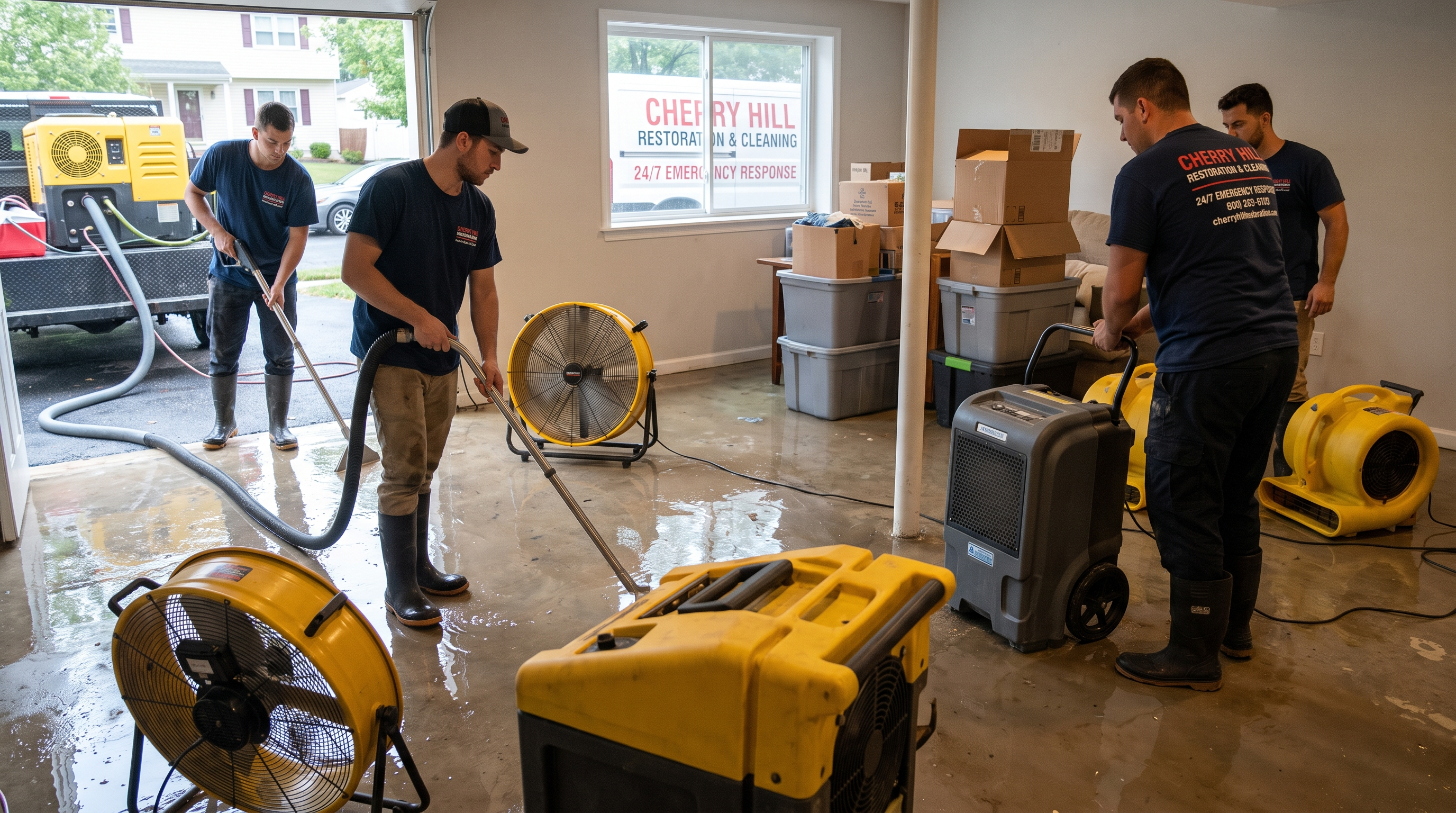
After a basement flood, homeowners often focus on drywall and flooring while damaged belongings sit in boxes, cabinets, closets, and storage bins. Furniture, electronics, documents, rugs, tools, toys, photos, and seasonal items can represent a large part of the loss.
Content restoration starts with inventory. Items should be photographed, categorized, and marked for cleaning, drying, specialty restoration, storage, or replacement. That record matters because personal property coverage often applies to contents, yet homeowners can miss it when they throw wet items away too soon.
Cherry Hill basements tend to store the things families do not want upstairs: old documents, school records, holiday decor, extra furniture, and electronics. Water from a sump pump failure can sit low enough to ruin contents without damaging every wall in the room.
Some items can be dried, cleaned, deodorized, or handled by a specialty vendor. Electronics and documents need quick decisions. Sewage contaminated contents require stricter disposal and cleaning standards than clean water contents.
Haddonfield's older colonials, twins, and historic homes can make water damage more complicated than a standard pump out. Plaster, hardwood, built-ins, older trim, and basement storage can all react differently to moisture. A small pipe leak may travel through a ceiling cavity before stains show up downstairs.
Contractors serving Haddonfield need to balance drying with preservation. Moisture readings help decide what can dry in place, what needs careful opening, and what requires removal. If summer humidity lingers after the water source stops, mold prevention and dehumidification should start before damp materials get covered again.
Water damage contents often fall under the personal property portion of the policy. The contractor match helps homeowners ask about contents instead of treating belongings as cleanup debris.
Cherry Hill homes often keep documents, electronics, and furniture in finished lower levels. Those items need fast documentation before humidity and contamination reduce salvage options.
Photograph contents first, then ask what can be restored.
Free — no obligations